
Tracker for tractors and heavy equipment: engine hours, geofences and places with no signal
On a machine, what matters most is engine hours and knowing whether it left where it should be. How to measure them, how to install the tracker and what to do where there is no cell tower.
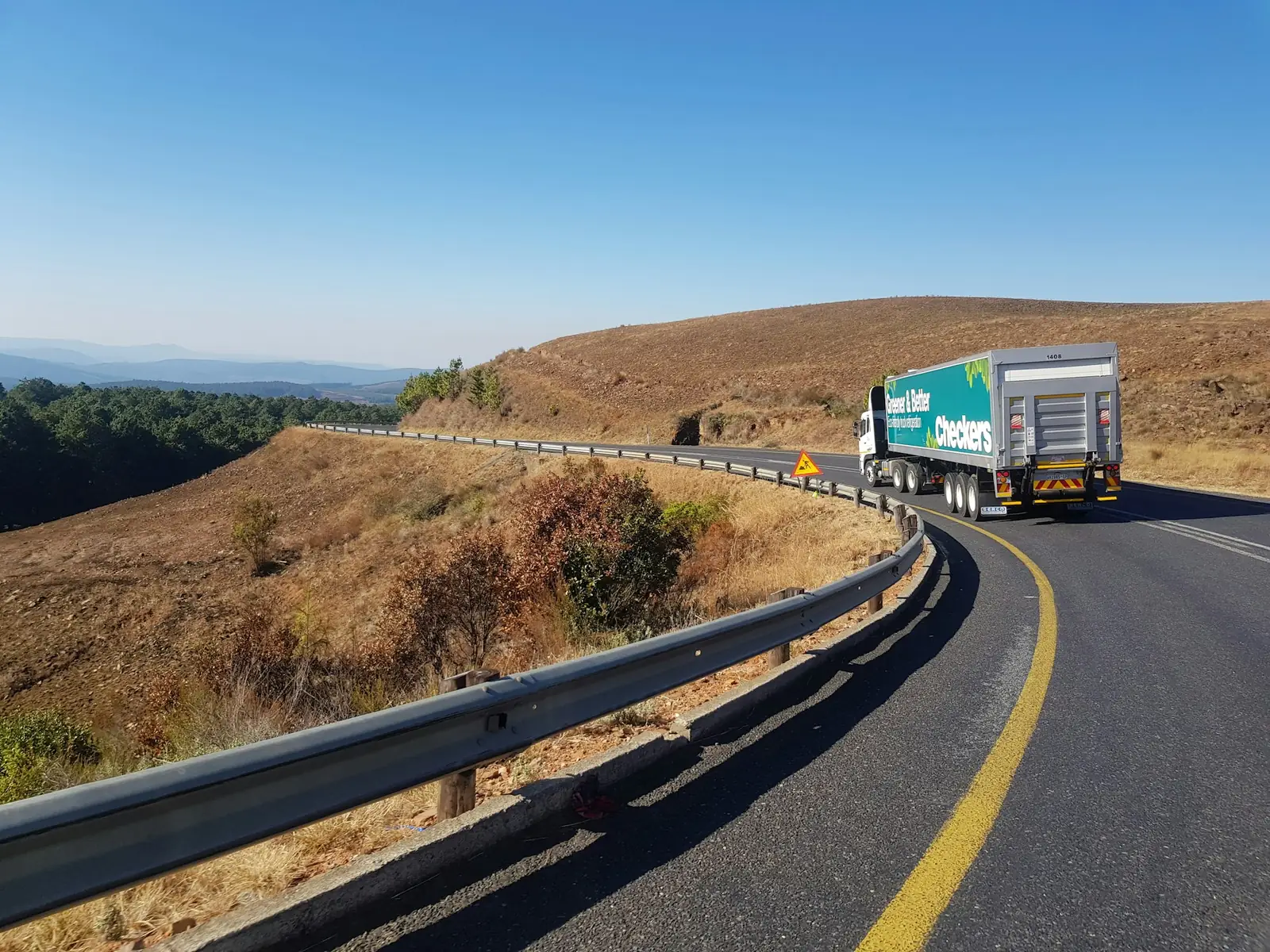
Tracking a truck means knowing where it is. Tracking a machine is a different conversation. A tractor, a wheel loader or an excavator spends the day within a small radius; what the owner needs to know is how many hours it worked, whether it left where it was supposed to be and whether someone started it outside working hours.
This article covers what to measure on a machine, how the device is installed and what to do when the farm or the job site has no cellular signal.
What is worth measuring on a machine
Engine hours. The most valuable number a machine has. Manufacturers set oil changes, filters and services in engine hours, not in kilometers or days. With the hour meter reaching the platform on its own, maintenance follows actual use, and services stop being forgotten on a machine that worked double shifts during harvest.
Geofence. An area drawn on the map (the farm, the job site, the rental yard) and an alert when the machine leaves it. It is the simplest alert against theft and misuse.
Running outside working hours. Engine on in the middle of the night or on a Sunday, when nobody should be working. For rental companies and agricultural contractors, it is also the basis for billing hours worked without argument.
Position. To find the machine on a large farm and to know which one is closest to the next work front.
How to tell the engine is running
The tracker needs a signal that says "engine running". There are three ways, from the simplest to the most accurate:
- Ignition wire, the same one used on trucks. It works on most machines, but it counts the key turned on with the engine stopped.
- Alternator voltage: when the engine turns, the alternator charges and the battery voltage rises. This is a signal that the engine is actually running.
- Vibration sensor on the device, for machines with no accessible electrical system or for implements.
On a new machine, the factory telematics already delivers hours and position. The challenge is usually the mixed fleet: different brands, different ages, and each manufacturer with its own portal. A tracker of your own on every machine puts them all on the same dashboard.
Power and installation
Farm and construction machines run on 12 V or 24 V, with heavy vibration, dust, pressure washing and, sometimes, the battery cut off by a master switch. The device needs a wide supply range, a sealed enclosure and an internal battery that keeps the alerts going when the master switch cuts everything. Installation by someone who knows machines avoids the most common problem: the loose wire that makes the tracker look faulty.
And where there is no cellular signal
In the field and on remote job sites, that is the rule, not the exception. There are three ways out:
- Store and forward. The cellular tracker stores the points and sends them when the machine is back in coverage. It works for engine hours; it does not work for theft alerts.
- LoRa radio to a point with signal. A gateway at the farm headquarters or on a tall tower picks up the devices within a radius of a few kilometers, depending on the terrain, and sends everything over the internet connection the headquarters already has.
- Satellite. It depends on nothing on site. On the DG satellite network, which is the one we use, the record arrives in minutes, stamped with the time of the event: engine hours, geofences and a machine that left where it should be show up on the dashboard without relying on a tower.
Does a "no-subscription tracker" exist?
There are devices that send the position by text message to your phone, with no platform. But data has a cost: someone pays for the SIM card, and what you lose is the history, the organized engine-hour records and alerts that reach more than one person. For a single machine, that may be enough. For a fleet, it rarely is.
Where IoTData fits in
Our device protocol already carries engine hours, pulses and analog inputs together with the position, over the cellular network or the DG satellite network. Engine hours, geofences and alerts sit on the same dashboard as the trucks. See satellite tracker and fleet management and, for calculating hours in harvesting, mechanical availability and operational efficiency.
Sources: maintenance schedules from farm and construction machinery manufacturers, defined in engine hours; general characteristics of LoRa radio (range depends on terrain and antenna height).