iotdata, by Data Frontieriot
data
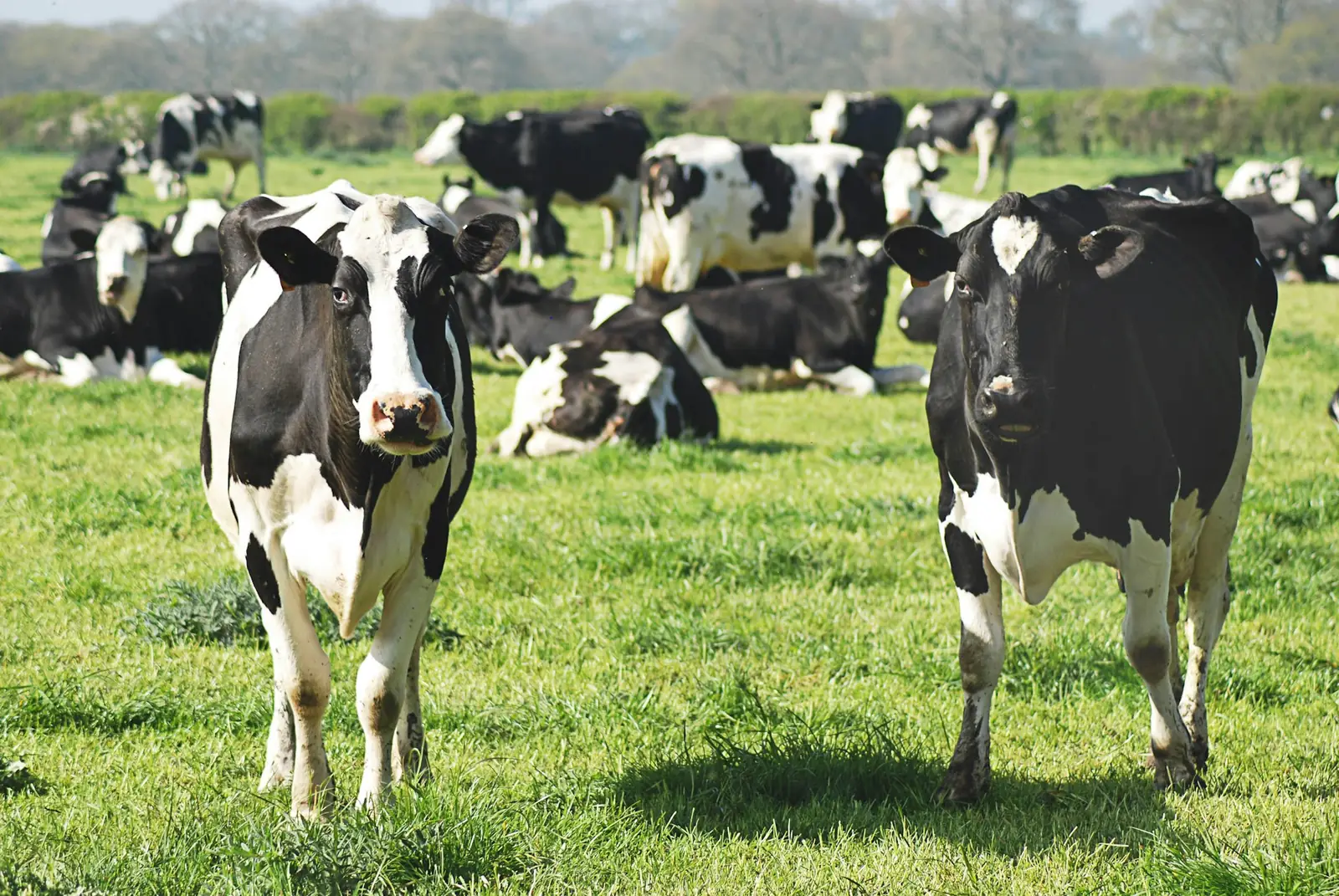
Holstein cows grazing in a pasture
Dairy · bulk milk tank

Did the milk cool down in time? The tank knows. Today nobody asks it.

Milk temperature in the tank, the curve of every cooling cycle and the compressor current, with a warning on the farmer’s phone when the milk is slow to cool or refrigeration stops. Plus the collection time, from the tracker on the milk truck. Over cellular where there is signal, and over the DG satellite network, in minutes, on farms that have none.

  • What reaches the platform
  • Milk temperature, minute by minute through cooling
  • Compressor running, stopped or working too hard
  • A warning before pickup, not after
  • A report per farm for the processor
What the rules ask

Three facts about milk in the tank.

Milk quality is decided in the first hours after milking, on the farm, far from the processor. That is exactly where measurement is missing.

EU · Regulation (EC) 853/2004
8 °C

Right after milking, raw milk must be cooled to no more than 8 °C when it is collected daily, or 6 °C when it is not. A weak compressor, an overloaded tank or a power cut breaks that limit without anyone seeing it.

Regulation (EC) No 853/2004, Annex III, Section IX
U.S. · Grade "A" PMO
45 °F in 2 h

Under the U.S. Pasteurized Milk Ordinance, raw milk must be cooled to 45 °F (7 °C) or less within two hours after milking is completed. The only way to prove it, milking after milking, is the curve.

Grade "A" Pasteurized Milk Ordinance (U.S. FDA), raw milk cooling
Every tank is different
Per tank

Each tank has its own curve. A tired compressor, a tank filled beyond its design or a dirty condenser show up in the cooling time long before they show up in a lab result.

Measured tank by tank, reported farm by farm
What we deliver

From the tank on the farm to the processor’s report.

The milk truck tracker, the network and the platform already exist. The tank kit is in development and goes into a pilot with a co-op or processor.

Coming soon

Milk temperature

A probe in the tank and the curve of every cooling cycle: when the milk went in and how long it took to reach the target temperature.

Coming soon

Tank compressor

Compressor current through a split-core sensor, without touching the wiring: the dashboard knows if refrigeration stopped or is working too hard.

Coming soon

Slow-cooling alert

A warning by WhatsApp or e-mail when the milk crosses the limit or takes too long to cool, in time to fix it before pickup.

Time-stamped collection

A tracker on the milk truck, with a geofence at each farm: the collection time and the time to the plant.

Farms without signal

NB-IoT or 4G where there is a tower; the DG satellite network, in minutes, where there is not.

Coming soon

Report per farm

The temperature history of each tank, for the quality program and the processor’s field advisors.

Dashboard exampleOne day of one tank, on the platform
  1. 06:40Milking finished: milk at 32 °C in the tank Log
  2. 08:504 °C reached in 2 h 10 min Log
  3. 15:20Compressor stopped and milk at 6 °C Alert
  4. 15:21Warning sent to the farmer and the field advisor Cellular
  5. 17:05Pickup recorded by the milk truck tracker Satellite

Illustrative example. The bulk tank kit is in development.

How a pilot works

It starts with one co-op or one processor.

  1. 01

    Survey

    How many tanks, on-farm or shared, which models, where there is power and signal, and what the processor’s quality program already measures.

  2. 02

    Pilot

    A group of farms with the kit installed, the limits set together with the field advisors, and the report compared with the processor’s lab results.

  3. 03

    Rollout

    The remaining tanks, trackers on the collection trucks and the report per farm.

  4. 04

    Operation

    Support from the people who installed it, and limits reviewed as the data builds up.

We are honest about what exists today. The bulk tank kit is in development and is shown as coming soon. The milk truck tracker, the network and the platform already exist. The DG satellite network delivers in minutes, not instantly, and each message has a cost, so on farms without signal it carries the readings that matter and the alerts. The pilot is run with a co-op or processor, which sets the limits together with its field advisors; each tank’s data is shared according to the agreement with the farmer.

Frequently asked questions

The usual questions, answered plainly.

Do I need a new tank?

No. The kit goes on the tank you already have: a temperature probe and a split-core current sensor on the compressor cable, without touching the installation.

Does it work for a shared tank?

Yes, and that is where it helps most: several farms share the same tank, and the cooling curve shows the effect of each delivery.

When will the kit be ready?

It is in development and goes into a pilot with the first partner co-op or processor. If you want to be that pilot, reach us through the form.

Who sees my tank’s data?

The farmer, always. The processor and the field advisors, according to the agreement made for the pilot. The arrangement is put in writing before installation.

Request a proposal

Tell us how many tanks you have and who collects the milk.

An engineer replies, not a bot. If you are a co-op or processor interested in a pilot, tell us how many farms.

Used only to reply to this request. No newsletter. Privacy policy.
Other areas

The same hardware and the same dashboard, in other sectors.

Sources: Regulation (EC) No 853/2004, Annex III, Section IX · Grade "A" Pasteurized Milk Ordinance (U.S. FDA).