iotdata, by Data Frontieriot
data
Power line over cropland under a clear sky
Solar energy · commercial rooftops and small plants

A plant that isn’t measured only looks like it’s generating.

Our 4G gateway reads the inverters over Modbus, we measure irradiance and module temperature on site, and the IoTData platform calculates the performance ratio, compares strings and warns you when something drops. Integration and engineering, not an off-the-shelf box.

  • What the platform shows
  • Power, energy and status of every inverter
  • Plane-of-array irradiance and module temperature
  • Daily and monthly performance ratio
  • Alarms for a stopped inverter or a string off the curve
Worth knowing

Three facts. None of them is a slogan.

The utility measures what flows in and out at the point of interconnection. What happens behind it, string by string and inverter by inverter, only shows up if you measure it.

Motor and electrical panel in a machine room
Standard test conditions · STC
25 °C

A module’s nameplate power is rated at 1,000 W/m² of irradiance and 25 °C cell temperature. On a sunny roof the cells run much hotter than that, and crystalline silicon loses output as it heats up. That is why module temperature is measured on site, not assumed.

STC: 1,000 W/m² · 25 °C cell temperature · AM 1.5 spectrum
Center pivot irrigating a corn field
Point of interconnection
kWh

The utility’s meter sits at the point of interconnection and records the energy that crosses it in each direction. It can’t see a shaded string, a tripped inverter or one that is limiting output. A monthly total that looks fine can hide all three.

Revenue metering stays with the utility; the platform does not replace it
Farmland at dawn with mist
IEC 61724-1 · performance ratio
PR

PR = energy produced ÷ (plane-of-array irradiation ÷ 1,000 W/m² × rated power). It is the yardstick that separates “low output because there was little sun” from “low output because something is wrong.” Without irradiance measured on site there is no PR, only a guess.

IEC 61724-1 · plane-of-array irradiance and module temperature
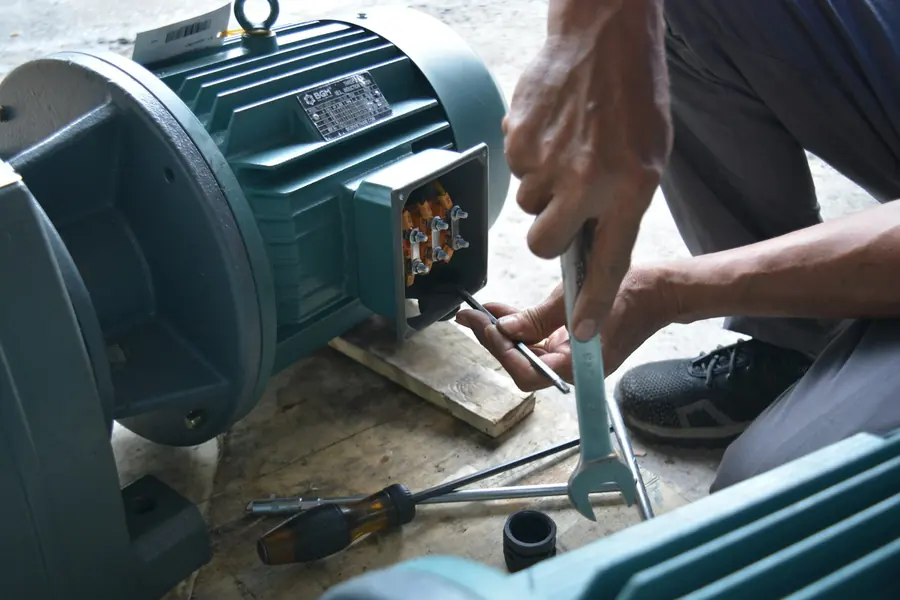
Technician’s hands wiring the terminal of a piece of electrical equipment
The inverter stays. The gateway goes in the panel, the sensor goes in the plane of the modules, and the data goes up.
How a project works

Four stages, one team accountable from start to finish.

  1. 01Survey

    Inverter makes and models, the Modbus port available (RS-485 or Ethernet), the string layout, installed capacity, cellular coverage on site, and what you want to see in the report.

  2. 02Prototype

    Our own 4G gateway installed in the panel reading the first inverter, an irradiance sensor in the plane of the modules and a module temperature sensor. That manufacturer’s Modbus registers mapped on the platform.

  3. 03Validation

    One billing cycle comparing the energy we read with the manufacturer’s portal and the utility meter. PR only goes into the report once the readings agree.

  4. 04Small series

    Rollout to the remaining inverters and plants, alarms set per string and per inverter, an automatic monthly report, and maintenance by the people who built it.

We’re upfront about what’s ours. Inverters, irradiance sensors and temperature sensors come from the market, and we tell you which ones we picked and why. The 4G gateway, the firmware, the Modbus reading, the platform and the report are ours. Over cellular the data arrives within minutes; where there is no signal, the DG satellite network also delivers within minutes. Timeline and price come out of the survey, not a price list.

What we deliver

From the Modbus register to the monthly report, on the same screen as your other sensors.

The IoTData platform already receives flow, pump hours, weather stations and vibration. The plant joins the same dashboard, with the same login and the same alerts.

Inverter readings

Our own 4G gateway reading over Modbus RTU or TCP: power, daily and lifetime energy, voltage and current per input, status and fault codes, from any brand that publishes its register map.

Sun and temperature on site

An irradiance sensor in the plane of the modules and a module temperature sensor, the two measurements IEC 61724-1 calls for so the performance ratio means something.

PR and string comparison

Daily and monthly performance ratio, per inverter and for the whole plant. Strings and inputs compared with each other: the one that yields less than its siblings under the same sun has shade, soiling or a bad connection.

Alarms and reports

An alert when an inverter stops, a string falls off the curve or PR drops while the sun doesn’t; only on a change of state, no spam. A monthly report for the owner and the history for whoever else asks.

Use cases

Three plants nobody looks at every day.

Machine room with a motor and piping

Industrial rooftop

The array on the factory roof shares a dashboard with motor vibration and plant consumption. Generation and consumption side by side show how much of the bill the plant covered, and the inverter-down alert arrives through the same channel as the machine alarms.

Water being pumped at an intake

Ground-mount array on a farm

If you pump with your own power, you want generation, pump hours and water flow side by side. The weather station that already measures rain and temperature gets an irradiance sensor, and the array joins the irrigation dashboard.

Operator monitoring equipment on a screen

Many plants, one dashboard

An installer or investor with plants from different brands sees them all in one place, with PR comparable across sites because sunlight was measured at each one. A monthly report per plant and per client, without a spreadsheet.

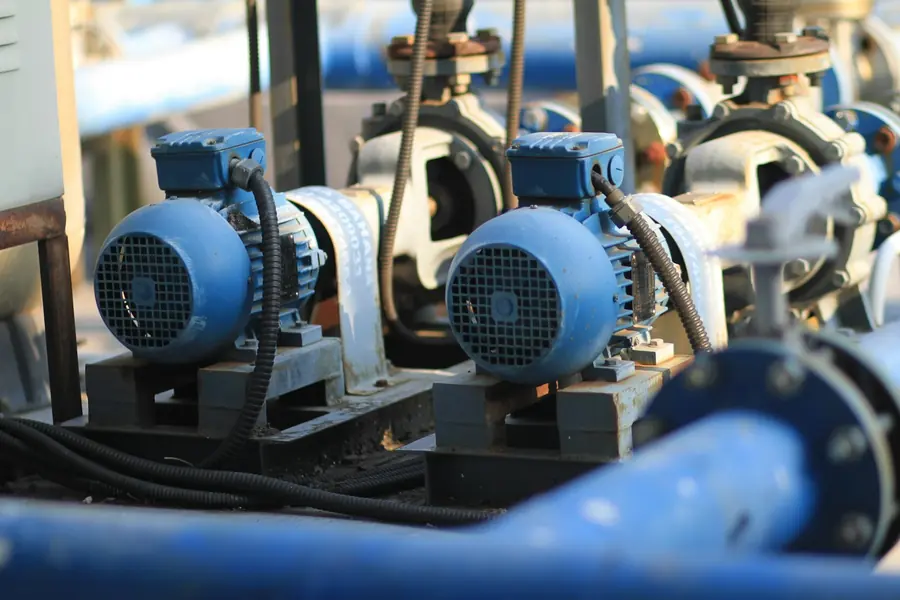
Blue motors and piping in an industrial facility
Engineered in Brazil

The gateway that reads your inverter was designed and built by us.

Data Frontier designs and manufactures from hardware to software: the 4G gateway board, the firmware that speaks Modbus and queues data when the signal drops, the IoTData platform and its API. When a reading fails, the people who designed it fix it, with no third-party vendor in between.

Hardware
Our own 4G gateway
Our board, enclosure and firmware. An RS-485 port for the inverter and a local queue for when the network drops.
Protocols
Modbus RTU and TCP
A register map per manufacturer, configured on the platform, with no firmware rewrite for each brand.
Network
Cellular and satellite
4G or NB-IoT where there is coverage; the DG satellite network where there isn’t, also within minutes.
Platform
IoTData Cloud
Dashboard, history stamped with the event time, alerts, a monthly report and an API for your own systems.
Frequently asked questions

What people usually ask before describing their plant.

Doesn’t the inverter maker’s portal already show generation?

It shows that inverter’s generation, the way that manufacturer chooses to. When the plant has two brands, or you have five plants, or you want to know whether it produced what the day’s irradiance allowed, the portal has no answer. The platform reads all of them over Modbus, measures the sun on site and calculates the performance ratio.

What is the performance ratio?

It is the ratio between the energy the plant produced and what it would have produced if it had turned all the irradiation it received into energy at rated power, as defined in IEC 61724-1. A PR that drops while the sun doesn’t is soiling, shade, a disconnected string or an inverter limiting output. Without irradiance measured on site, PR is a guess.

Do I need to replace the inverter or install anything on the roof?

The inverter stays. Our 4G gateway goes in the panel and reads the inverter through the Modbus port it already has (RS-485 or Ethernet). On the roof or the ground, we add an irradiance sensor in the plane of the modules and a temperature sensor bonded to a module. Where there is no cellular coverage, we also offer the DG satellite network.

Does the platform report to the utility?

It produces the monthly generation, availability and performance ratio report for the owner, and keeps the generation history in whatever format the utility, the investor or the auditor asks for. Billing and any export credits still follow the utility’s meter at the point of interconnection; the platform shows what happens behind it.

Tell us about your plant

Tell us the inverter brand and where the plant is. We’ll tell you what it takes to measure it.

An answer from an engineer, not a bot. If you already have the manufacturer’s portal, a weather station or a management system, say so: we build on what’s there.

E-mail [CONTACT E-MAIL]Engineering and manufacturing by Data Frontier, Brazil.
Used only to reply to this request. No newsletter. Privacy policy.

Standard cited: IEC 61724-1 (photovoltaic system performance monitoring). STC: standard test conditions for module ratings. Photos under the Unsplash license, the same as on our agriculture and industry pages.

Billing and any export credits follow the utility’s meter; the platform shows what the plant generates and does not replace that meter.