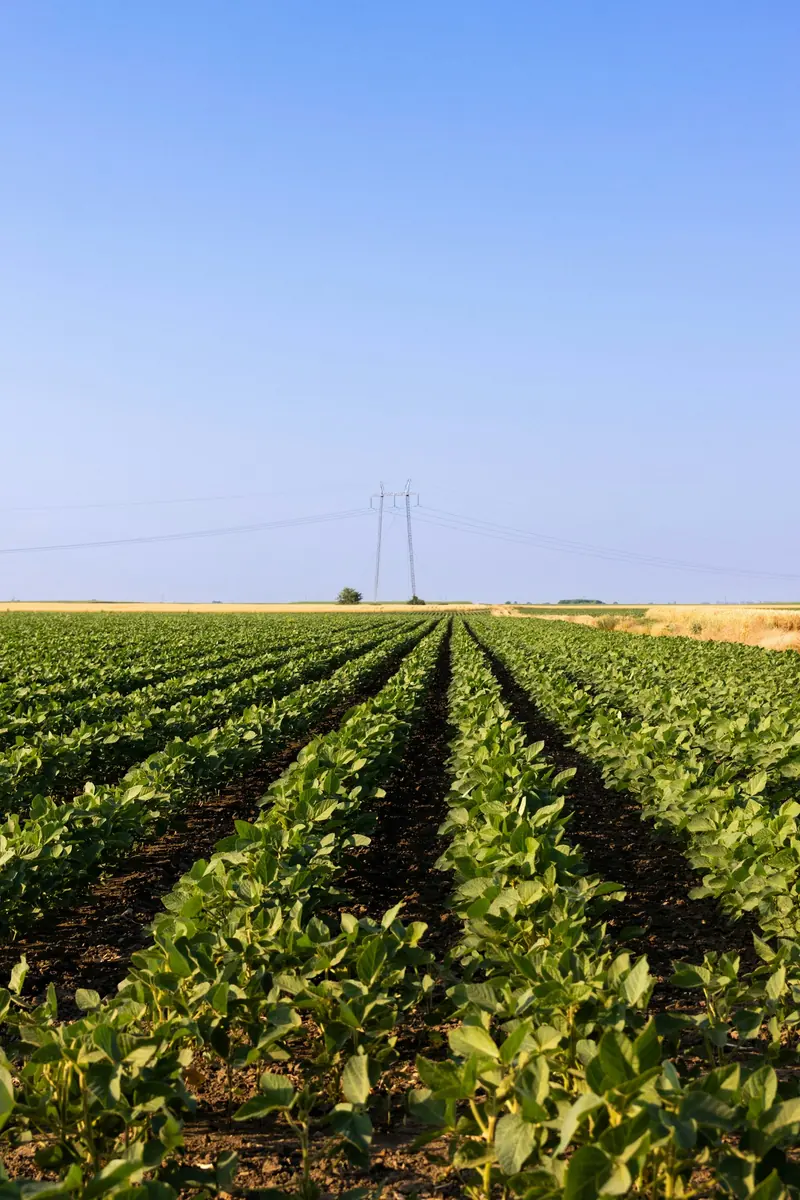
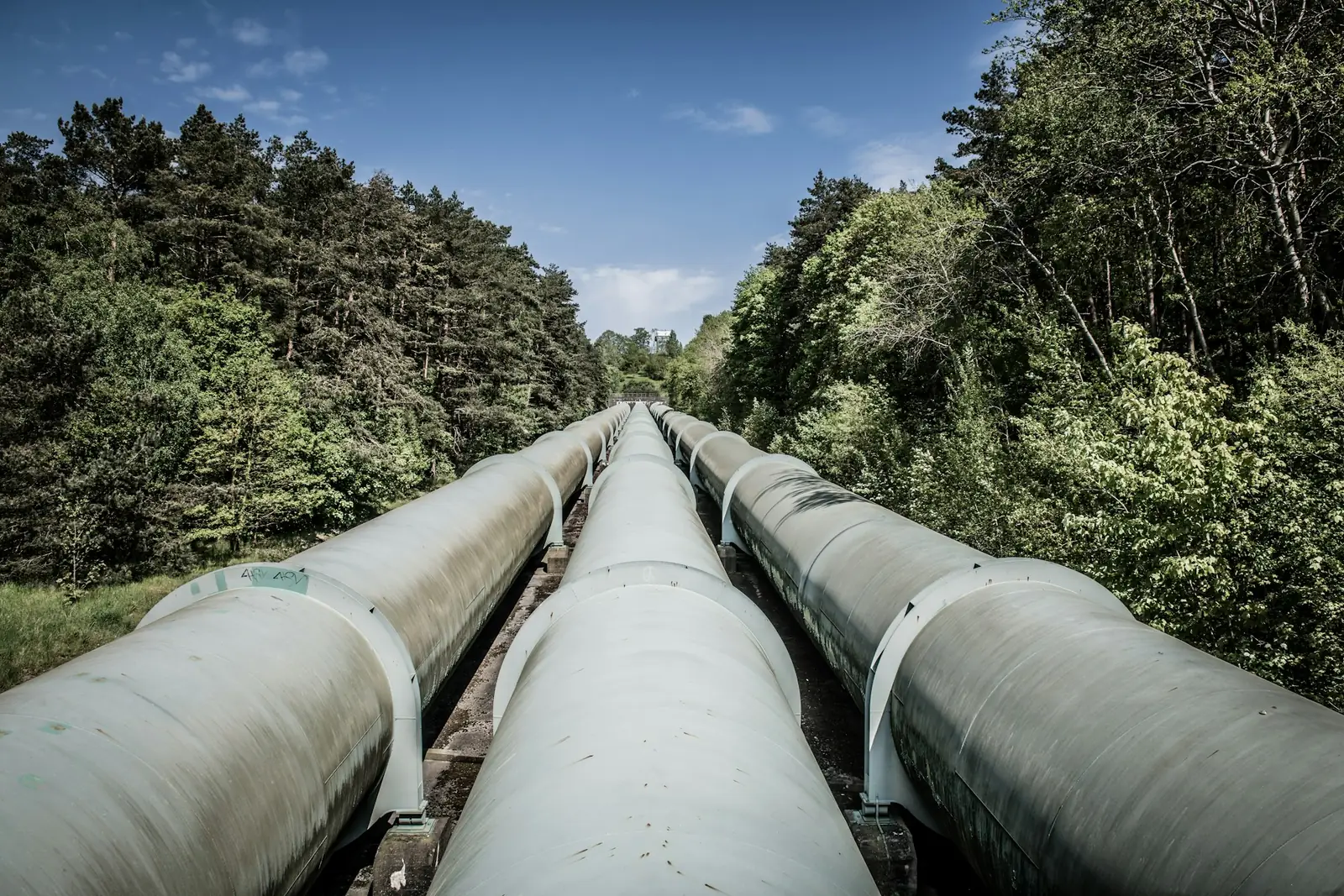
Assets far from any network still report in.
Fleets, forest operations, pipelines, tanks and pumping stations. Cellular where there is coverage, the satellite network where there is none, and one dashboard for all of it.
See the sectorsWe develop and manufacture from hardware to software. The board, the firmware, the cellular or satellite link, the cloud platform and the alert on your phone all come from the same engineering team. Predictive maintenance in the plant, telemetry for assets far from any network, and custom robotics and sensors for what does not exist yet.
Fleets, forest operations, pipelines, tanks and pumping stations. Cellular where there is coverage, the satellite network where there is none, and one dashboard for all of it.
See the sectors
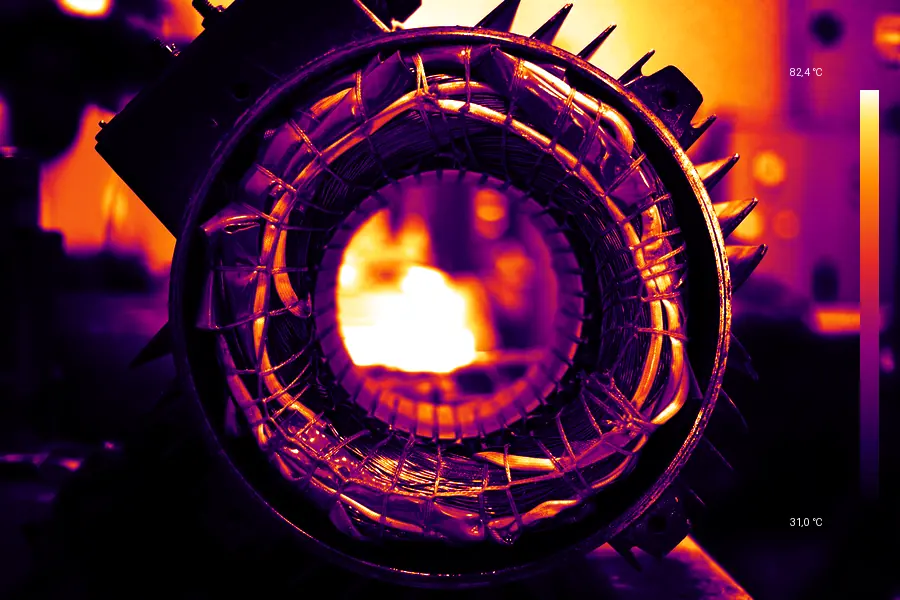
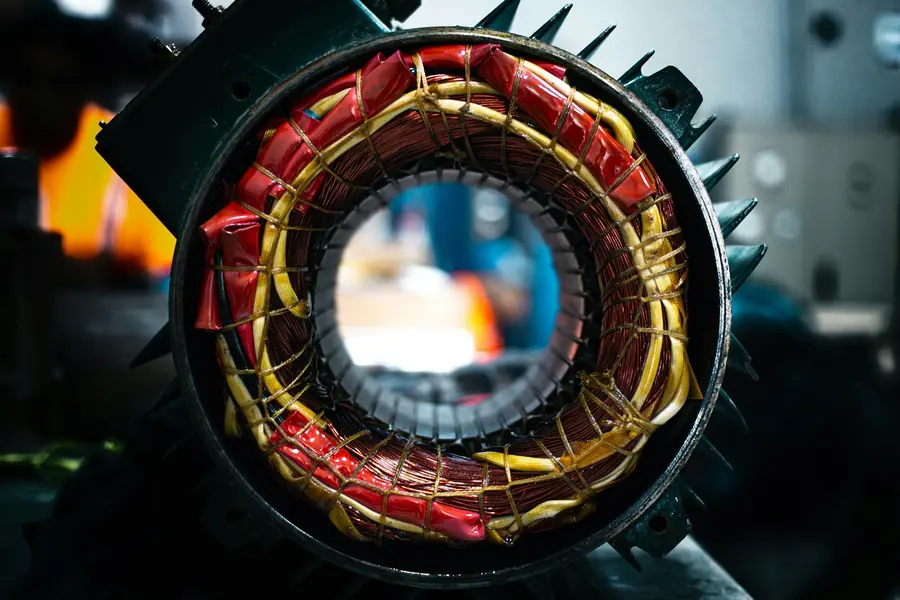
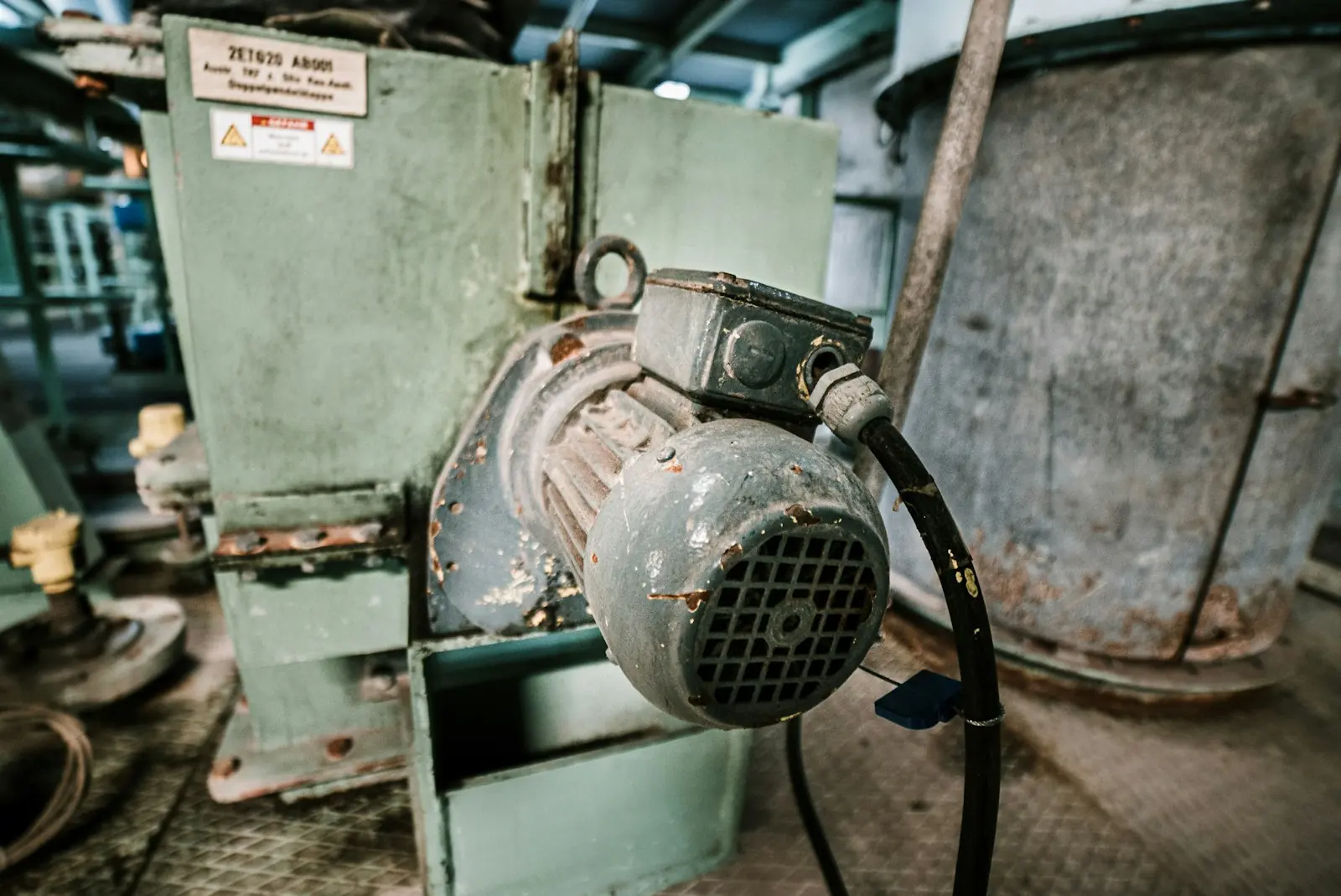
Wireless vibration and temperature sensors, thermal cameras, ISO 10816 alerts by e-mail and WhatsApp. Installed without stopping production.
See predictive maintenance
Flight plan, sensors and integration with the platform. Custom projects, from prototype to small series, engineered by Data Frontier.
See robotics and drones
Inverter readings over Modbus with our 4G gateway, irradiance, performance ratio and alarms. Reports for the owner and for the utility.
See plant monitoringHybrid trackers, fatigue cameras, weather stations and sensors, on cellular where there is signal and on satellite where it runs out.
When the equipment is ours, the problem has an owner. A battery draining faster, a message that never arrived, a sensor that needs a different range: whoever designed it fixes it, with no ticket opened at an outside manufacturer.

Electronics, firmware, assembly and maintenance under one roof.
Schematic, board and enclosure designed in-house, for sun, dust, rain and the factory floor.
The code running on the device is ours: battery savings, message queuing, over-the-air updates.
Cellular where it exists, satellite where it does not. The device picks the network; you do not need to know which.
Cloud, dashboard, e-mail and WhatsApp alerts, and integration with your own system.
Industry, energy, robotics and the sectors above got their own pages because they are the most frequent requests. Everything else Data Frontier builds in IoT starts with a conversation: tell us what you need to measure, move or automate.
Robots and embedded systems built to order: mechanics, electronics, firmware and the operator interface. From prototype to small production runs.
When the off-the-shelf sensor does not exist or cannot survive the environment, we design our own: board, enclosure, calibration and the network that carries the data.
Flow, level, pressure and pump-hour readings from wells, tanks, pipelines and pumping stations. Each reading reaches the platform stamped with the time it was taken, ready to export or to feed your own system.
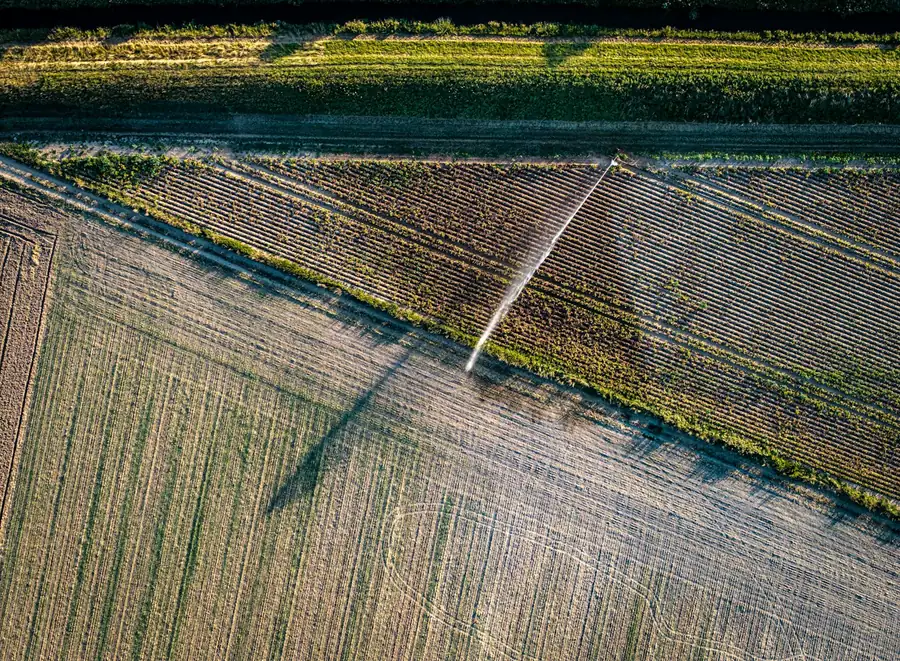
Rain, wind, temperature, humidity and solar radiation for irrigation management, site operations and a weather record of your own.
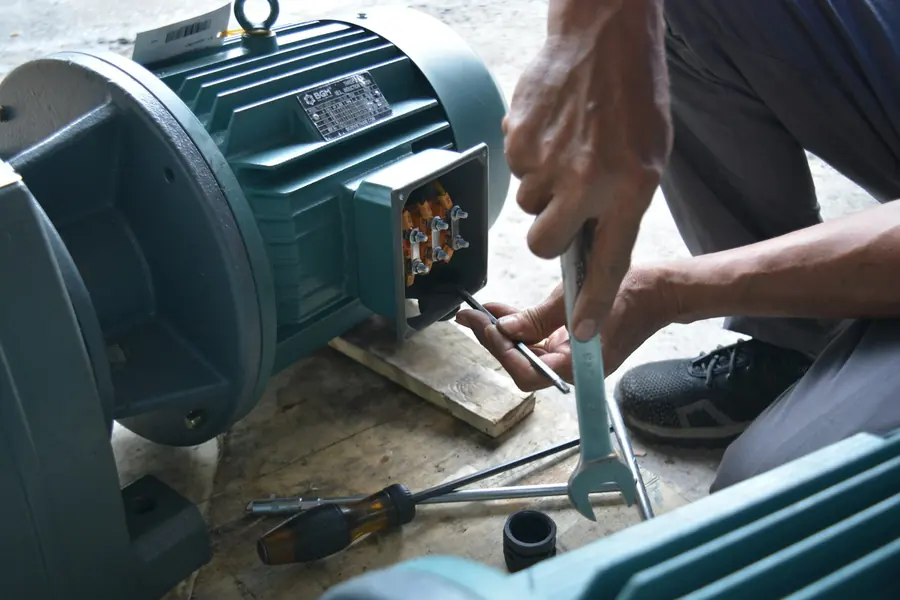
Wireless sensors on motors, pumps and gearboxes, ISO 10816 alerts by e-mail and WhatsApp and trend tracking up to the alarm. Installed without stopping production.
4G and LoRa gateways of our own manufacture, an NB-IoT module that talks to cell towers and to satellites, and the satellite network where nothing else reaches.
The same team that designs the board specifies the installation, picks the network and keeps the dashboard running. One point of contact and one warranty, from the board to the alert.

Hour meters, measurement and weather stations, vibration and temperature sensors, gateways. Designed and manufactured by Data Frontier in Brazil.

Cellular where it exists, satellite where it does not. A standard 3GPP NB-IoT module does both; for minute-level latency outside cellular coverage, the satellite network.

Cloud platform with history, e-mail and WhatsApp alerts, and export in the format your maintenance team or your own system requires. You follow it on the dashboard.
History stamped with the time of the event, not the time of delivery. Users and permissions per device. An audit trail of who did what. Alerts that reach the phone of the person who needs to act.

How the browser talks to the board through Web Serial, what the ESP32 needs before it can receive the program, how to get the code onto the Arduino Nano with the Arduino IDE, and the most common cable, driver and busy-port problems.

How each card in the block coding IDE becomes code, the difference between Arduino’s setup and loop and the MicroPython loop, and a side-by-side example of the same robot arm program in Python and C++.

Which pins to avoid on the Arduino Nano and the ESP32, where to connect servos, joysticks, the ultrasonic sensor and the buzzer, and the reasoning behind each choice in the suggested wiring table for the robot arm.
You will hear back from an engineer, not a bot, by e-mail. Predictive maintenance has its own proposal form; for everything else, use this one.
Electronics, firmware, mechanics, network and software under a single point of responsibility. That is how our hour meter and our industrial vibration sensor were born, and that is how the next one will be.