Detention is set by contract: a free window at the dock, then a charge for every extra hour. Without timestamps, the claim is one word against another. The geofence logs the arrival, the start of unloading and the departure the invoice needs.
Three things the data helps you prove.
Waiting time, temperature and security. All three end up in a contract, a guideline or a claim, and all three are settled with records, not witnesses.
For medicines in the EU, Good Distribution Practice requires the temperature to stay within range during transport and the monitoring equipment in vehicles to be calibrated at regular intervals. In the US, the FDA sanitary transportation rule asks carriers of temperature-controlled food to show, when the shipper or receiver asks, that the agreed temperature was held.
Route deviation, an unplanned stop or ignition at the wrong hour becomes an alert for your control room or security provider, at any hour. What tracking and response a high-value load needs is set with your insurer; the tracker supplies the event.
From the outbound dock to the customer’s signature.
Every trip becomes a timeline with position, temperature and every stop, ready for the customer, the insurer and the auditor.
Cargo and vehicle
Position, route and stops of every vehicle, and a dedicated locator on the cargo or container when it changes vehicles.
Trailer temperature and door
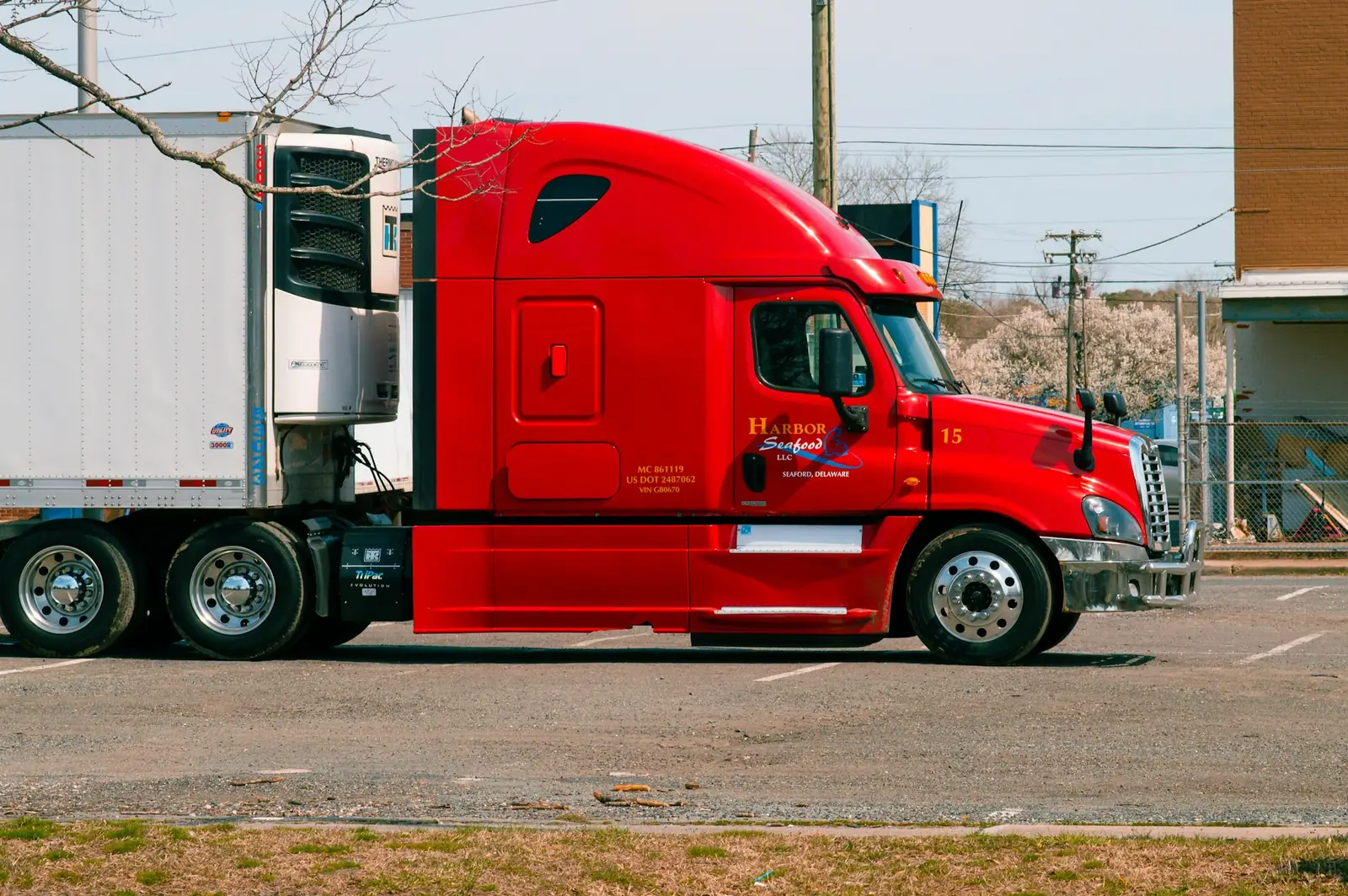
Our own temperature and door sensors in the refrigerated trailer, with continuous logging and an alert when the temperature leaves the range for longer than agreed or the door opens away from the customer. The trip report comes out ready.
Waiting time
A geofence at every customer and every dock: arrival, start of unloading and departure, with the time. Detention stops being an argument.
Cargo security
Route deviation, unplanned stops and ignition at the wrong hour become alerts for the control room or the security provider.
Shock and damage logger
It goes inside the load or container and logs position, temperature and impact during the trip. If the box arrived damaged, the record shows where and when it took the hit.
Integration
REST API for TMS, ERP and security providers.
- 04:30Left the DC, trailer at 4.1 °C Cellular
- 08:52Arrived at the geofence "Customer – Dock 2" Cellular
- 09:15Trailer above 8 °C for 10 minutes during unloading Alert
- 13:58Left the customer: 5 h 06 min between arrival and departure Log
- 14:00Trip temperature report generated Log
Illustrative example. Temperature ranges and waiting limits are configured per customer.
Four steps, with one person accountable from start to finish.
- 01
Survey
Routes, customers, type of cargo, temperature range, what your insurer and your customers require, and which trackers are already in place.
- 02
Pilot
A few vehicles and customers, with the report compared against your current records for a month.
- 03
Rollout
The fleet, the geofences for each customer, the temperature ranges and the control room dashboard.
- 04
Operation
Support, per-customer reports and alert tuning.
The truth about satellite. Over the cell tower and over the DG satellite network, position and temperature arrive in minutes, with the time of each reading. The tracker, the trailer temperature sensor, the door sensor and the damage logger are manufactured by us. What the survey decides is how often data is sent outside cellular coverage, which sets the cost, since each satellite message costs more, and what your insurer requires beyond that.
The usual questions, answered plainly.
Does the temperature record meet GDP or FDA requirements?
The record is continuous and timestamped, and the sensor can be calibrated with a certificate. Whether it satisfies your quality procedure depends on the procedure: the survey checks the range, the calibration and the report your quality team needs.
Can I bill detention with the report?
The report shows the arrival and departure time at every customer, logged by the geofence. It is evidence of fact; the charge follows your contract or tariff.
Does it work with my security provider?
Events can flow by API to your security provider or control room. What the device needs to do comes from your agreement with the insurer.
The cargo changes trucks. Can I track the cargo itself?
Yes, with a locator on the load, the pallet or the container, independent of the vehicle.
Tell us what you haul and where to.
An answer from an engineer, not a bot. Tell us the type of cargo, the temperature range and what your customers ask for.
The same hardware and the same dashboard, in other sectors.
Sources: EU Guidelines on Good Distribution Practice of medicinal products for human use (2013/C 343/01) · FDA Sanitary Transportation of Human and Animal Food, 21 CFR Part 1, Subpart O.