
Reefer container monitoring: what to measure in the yard, at the dry port and on the road
Supply and return air temperature, power at the plug, alarms and the genset: where a reefer loses its cargo and how to catch it in time.
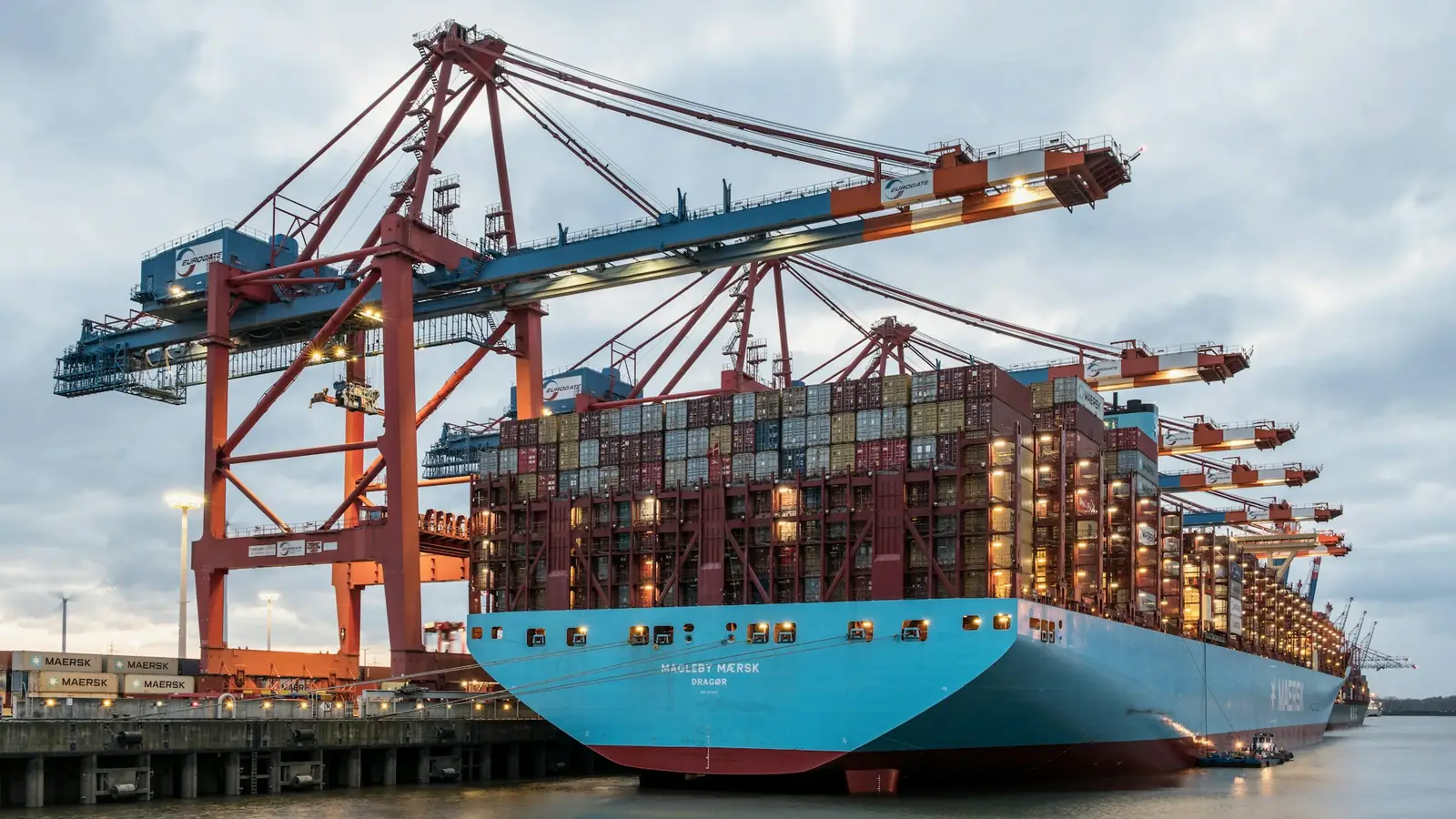
A refrigerated container, the reefer, is a cold room with its own machinery. It does not cool the cargo down: it holds the temperature of cargo that was already loaded at the right temperature. To do that, it depends on something that fails more often than most people think: power.
This article shows where a reefer loses its cargo along the chain and what to measure to catch it in time.
How a reefer works, in one sentence
The refrigeration unit on the front wall blows cold air along the floor (the supply air), the air passes through the cargo and returns along the top (the return air). The controller compares the temperatures with the programmed setpoint, switches cooling on or off, runs defrost cycles and logs alarms.
The difference between supply and return says a lot: if it grows, the cargo is exchanging too much heat, or the door, the seals or the stowage are in poor shape.
Where the cargo is lost
In the yard, unplugged. The reefer is switched off to be moved between stacks, loaded onto a truck or to wait for a free plug. Every minute off means rising temperature. The problem is rarely the shutdown itself; it is forgetting: the container that stayed off for hours because nobody plugged it back in.
Faulty plug. A poorly seated plug, a missing phase, a tripped breaker. The container looks like it is on and it is not.
Ignored alarm. The controller flags it, but the alarm stays on the unit’s display, in the middle of a stack, where nobody sees it.
On the road. In road transport, the reefer depends on a coupled diesel generator (the genset). Out of fuel or with a failed generator, the cargo warms up mid-trip.
What to measure
- Power present at the plug, the most valuable and simplest alert: container without power for more than X minutes.
- Supply and return air temperatures, compared with the setpoint.
- Controller alarms, when the manufacturer allows them to be read.
- Position, on the road and in the yard.
- On the genset: running or not, and fuel level, when there is a sensor.
The right alert for the right person
Reefer monitoring that only produces charts does not save cargo. What saves it is a notification on the phone of whoever is on duty, with the container’s stack and position: "reefer in block C without power for 15 minutes". And a single notification on each change of state, not one per reading, so nobody learns to ignore them.
Two ways to measure
- Read the reefer controller, through the modem some manufacturers offer or through the data port. This gives access to everything the unit knows, but it depends on the make and model.
- Your own external sensor, measuring power at the plug and temperature. It works on any container, even without access to the controller.
Many terminals combine the two: controller readings where possible and an external sensor everywhere else.
At the dry port, the same problem
A dry port has reefer plugs, containers waiting for customs clearance and trucks arriving from the seaport. The yard is smaller; the risk is the same.
Where IoTData fits in
We measure power and temperature on every reefer, bring the alarms into a single dashboard and notify the on-duty team over WhatsApp. At a terminal with cell signal, the data arrives in minutes; on the road with no tower in range, the position goes over the DG satellite network, also in minutes. See IoT for ports and dry ports.
Sources: operating principle of refrigerated containers (supply air, return air, setpoint and defrost); operating practice at container terminals with reefer plugs.