
Video telematics: what it is and what it changes in fleet management
Camera, telematics and onboard intelligence in a single event: what it is for, how much data it uses and how to roll it out without turning it into surveillance.
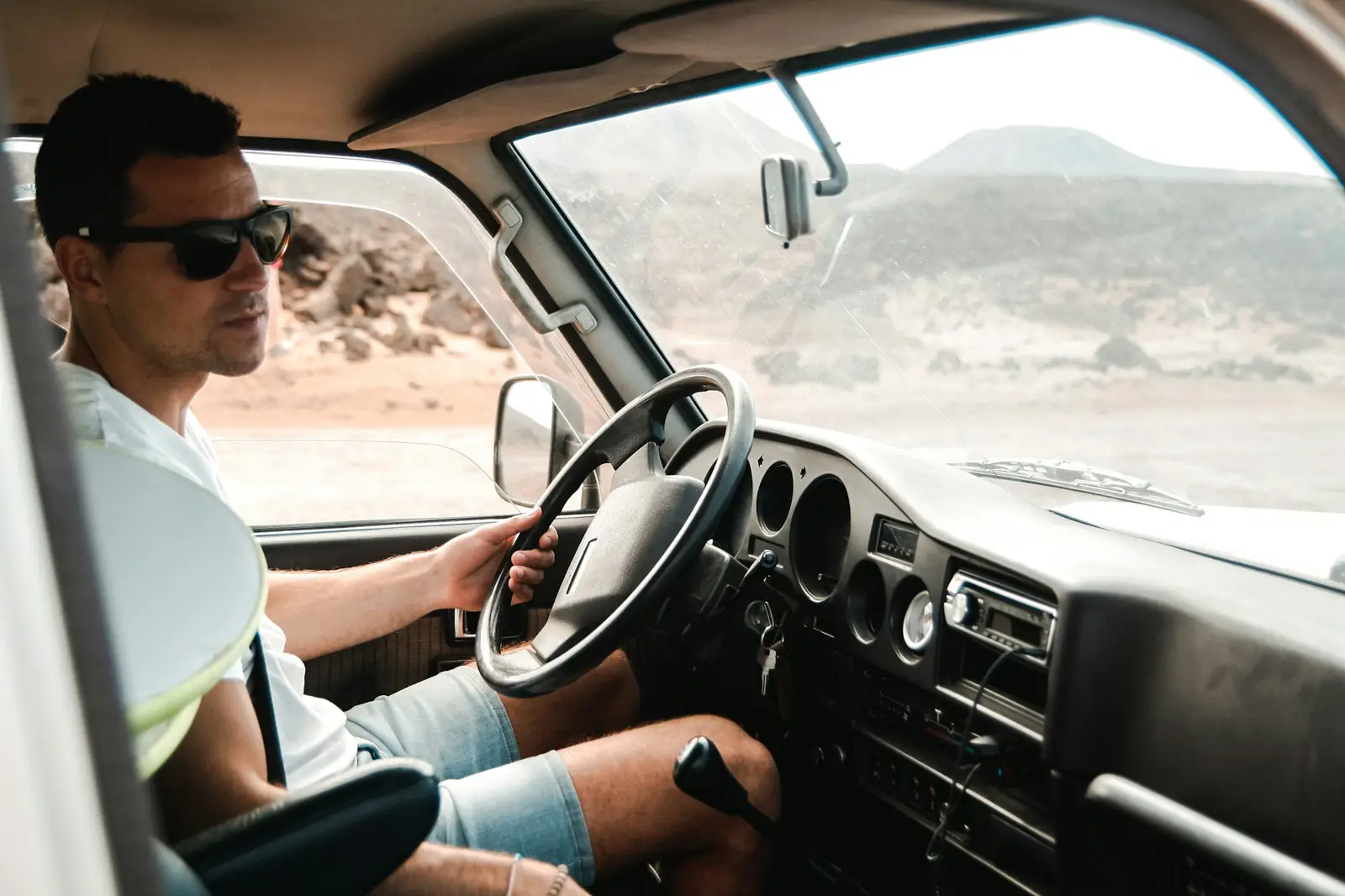
Video telematics brings together three things that used to live apart: camera, vehicle telematics and intelligence that decides what deserves attention. Instead of hours of footage nobody watches, the manager receives events: a short clip, with the time, the place and the speed, of the moment something happened.
The cameras
- Forward-facing, toward the road. It records what the driver sees. With onboard intelligence, it picks up forward collision risk, lane departure without signaling and pedestrians ahead. This set of functions is usually called ADAS, advanced driver assistance systems.
- Driver-facing, inside the cab. It picks up drowsiness, yawning, a phone in hand, eyes off the road and smoking. This is what is called DMS, driver monitoring; see how a driver fatigue sensor works.
- Side and rear cameras, on large vehicles, for blind spots and maneuvering.
What changes in management
Defense after a crash. In a collision, the video shows who was right. For a truck fleet, which tends to be blamed by default, this changes the discussion with the insurer and with third parties.
Coaching with evidence. "You were using your phone while driving" is an accusation; an eight-second clip is a conversation. The driver sees what happened, and the correction becomes concrete.
Patterns, not isolated cases. The platform adds up events by driver, shift and stretch of road. Three fatigue alerts every night on the same stretch are not one driver’s fault, they are a scheduling problem.
How much data it uses
Video is heavy. That is why well-designed video telematics does not transmit everything. The camera records continuously to an internal card or drive and uploads over the cellular network only the clip of each event, a few seconds before and after. The full video of a stretch is downloaded on demand, when someone needs it.
IoT satellite networks do not carry video: their messages are small. Outside cellular coverage, the event is stored on the device and uploaded when signal returns, while the vehicle’s position keeps flowing over satellite.
What "AI-powered" means
It means the camera has a processor capable of recognizing a face, an eye, a phone, a person and the lane markings without sending images to the cloud. That is what makes the instant in-cab alert possible, along with clips of only what matters. Without onboard intelligence, video telematics becomes footage to watch after the accident.
How to roll it out without turning it into surveillance
- A written policy before installation: what is recorded, when, who watches it and how long it is kept. Check it against the data-protection law that applies to your operation (in Europe, the GDPR).
- Drivers informed and involved. Show them the equipment, explain the alerts, listen to their questions.
- A pilot with tuned thresholds, so that alerts are rare and meaningful.
- A routine conversation, weekly, about the events, with recognition for those who improve.
- Use limited to its purpose. A safety camera is not a tool for monitoring conversations or policing coffee breaks.
Where IoTData fits in
We integrate the camera with the tracker and the platform: the event appears on the same timeline as position and ignition, with alerts by email and WhatsApp. The camera is ours too, from the board to the detection firmware. See IoT Safety.
Sources: common definitions of ADAS and DMS; Regulation (EU) 2019/2144 on driver warning systems; general characteristics of IoT satellite networks (short messages, no video).