
Wind, rain and port operations: what a weather station changes at the terminal
Crane wind limits, bulk cargo that must not get wet and the rainfall record that carries weight in demurrage disputes.
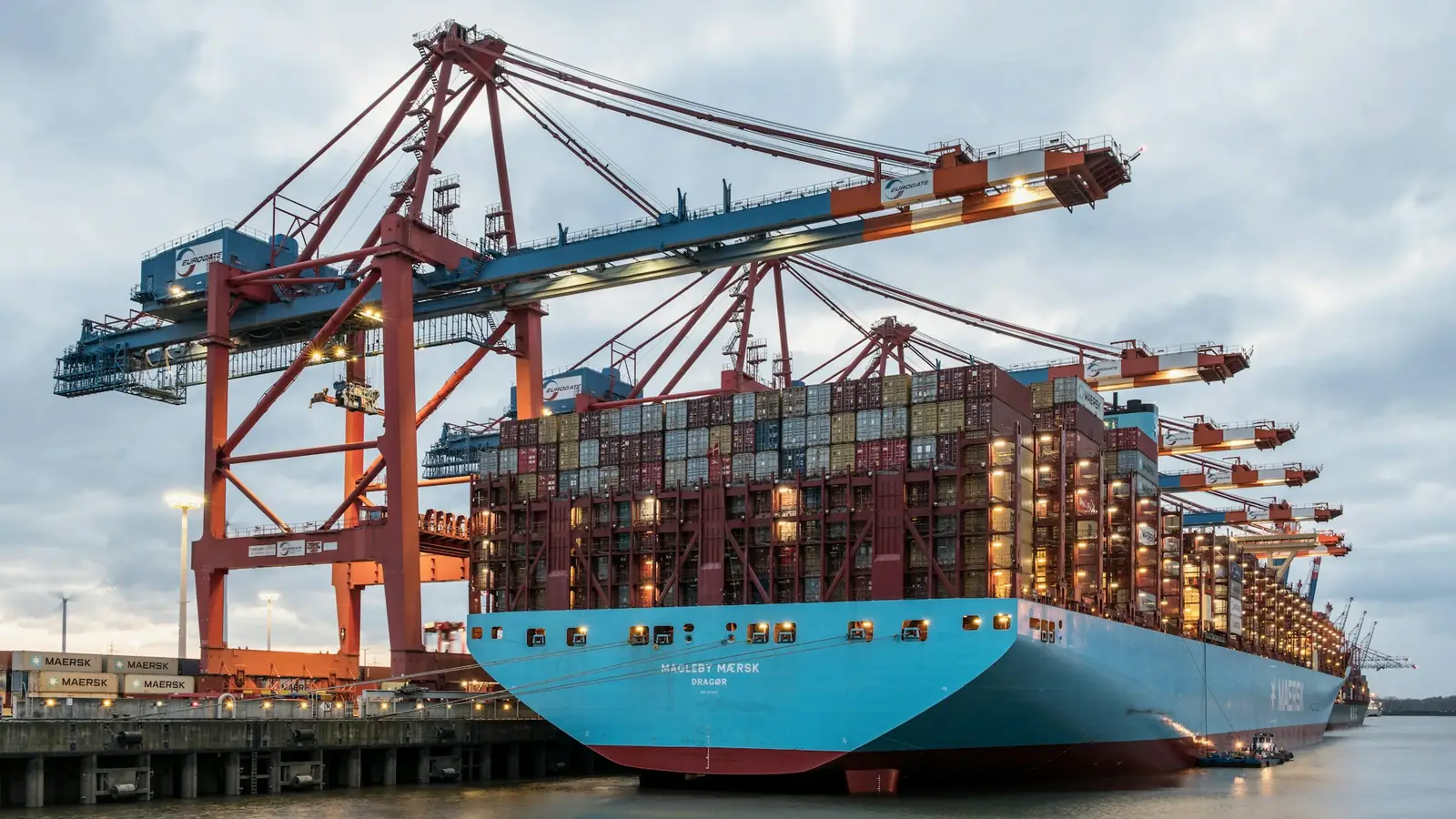
At a port terminal, the weather is not small talk: it means stopped operations. Cranes stop when the wind exceeds their limit, bulk loading stops when it rains, and every hour of downtime keeps a ship at the berth. This article shows what a weather station at the terminal itself changes in that equation.
Wind and cranes
Every crane and ship-to-shore container crane has an operating wind limit, set by the manufacturer and by the terminal’s procedures. Above it, operations stop; above a second, higher limit, the equipment has to be locked and tied down. The anemometer on top of the crane protects the machine.
What many terminals lack is an organized history: how much time was lost to wind, at what times of day, with what gusts. Without it, downtime becomes a matter of perception, and vessel scheduling does not learn from the past.
Rain and bulk cargo
Grain, sugar, fertilizer and other dry bulk cargoes must not get wet. When it rains, loading and discharge stop and the holds are closed. In the rainy season, the lost hours add up to days.
A station with a rain gauge at the point of operation records when the rain started and when it stopped, accurate to the minute. That record is more useful than it looks.
The record that carries weight in demurrage
In ship chartering, the time the charterer has to load or discharge is the laytime. Once it is exceeded, demurrage is paid to the shipowner. Many contracts exclude from laytime the time during which work was prevented by weather: the weather working days clause.
When the dispute comes, whoever has a local record, with the start and end times of the rain and of wind above the limit, argues with evidence. Whoever only has the day’s forecast, or the airport weather station kilometers away, argues with opinion.
What the terminal station measures
- Wind: average speed, gusts and direction, at a height representative of the operation.
- Rain: accumulation and intensity, with start and end times.
- Temperature and humidity, which matter for sensitive cargo and for the health of the people working in the yard.
- Atmospheric pressure, which helps anticipate a change in the weather.
From data to decision
- An alert when the wind approaches the limit, to prepare the stop instead of being caught in the middle of a lift.
- A rain alert so the bulk team can close the holds and cover the cargo.
- A daily report of hours lost to weather, by berth and by vessel.
- A history for planning: which months and which times of day see the most stoppages.
The station does not replace the official weather service
Official forecasts and warnings remain essential. The terminal station measures what actually happened at the exact point of operation, which is what the stoppage, the schedule and the contract need.
Where IoTData fits in
We manufacture the weather station and the platform that records, alerts and generates the report. At a terminal with cell signal, the data arrives in minutes. See IoT for ports and dry ports.
Sources: port operating practice (wind limits set by the equipment manufacturer; suspension of bulk loading in rain); concepts of laytime, demurrage and the bad-weather exclusion in maritime chartering.