
Pipeline test points: remote reading where there is no cellular coverage
Why the test point is the ideal case for satellite, how many readings a day make sense, the IR drop caveat, and how to choose which points to automate first.
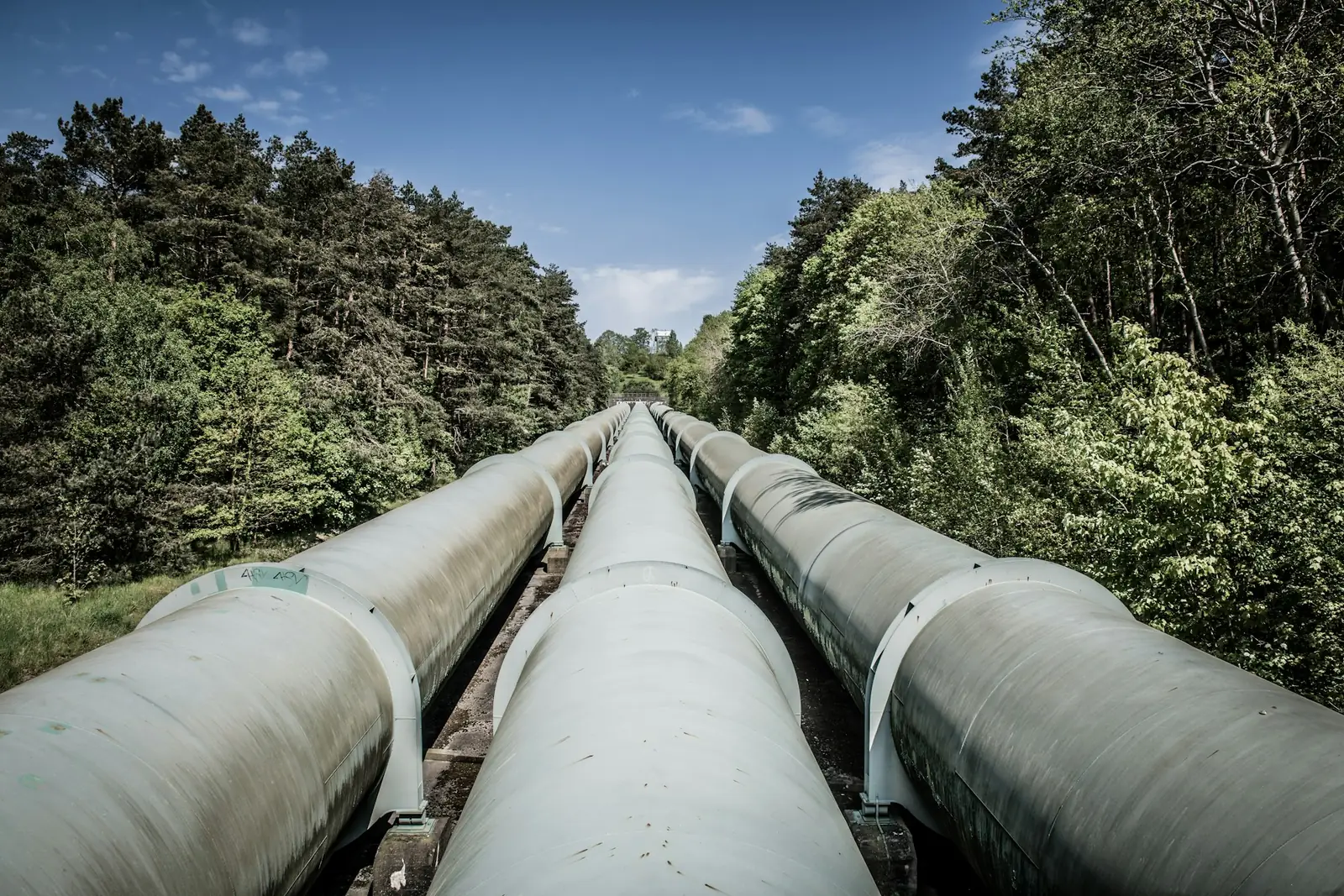
A pipeline crosses farmland, mountains and roadsides. The test points, where pipe-to-soil potential is measured, follow the route. Many are far from any cell tower and get visited only a few times a year. That is exactly the kind of point where remote reading by satellite makes the most sense.
What is measured at the test point
The potential between the pipeline and a copper/copper sulfate reference electrode permanently installed next to the point. The reading tells you whether that section is protected under the ISO 15589-1 criterion, and the series of readings shows whether protection is changing. Some points also have coupons, small steel plates connected to the pipe that allow measurement without IR drop interference.
Why satellite works well here
- The data is small. A potential reading fits in a short message, which is what IoT satellite networks carry.
- The frequency is low. A few readings a day tell the story of a test point; nobody needs continuous readings.
- The location is remote. Where there is no tower, there is no cheap alternative: it is either satellite or a site visit.
- Power is scarce. A device that wakes up, measures, transmits and goes back to sleep can last years on a battery, depending on the model and the reporting interval.
Over the DG satellite network, the reading arrives within minutes. Pass-based satellite networks, which store and forward, deliver in hours: good enough for trends, not for urgent alerts.
IR drop still applies
A reading taken with the rectifier on includes the IR drop and makes the pipe look better protected than it is. There are two ways around it:
- Synchronized on/off measurement: the rectifiers on the section interrupt at the same time, in short cycles, and the test point device measures at the right instant after switch-off. GNSS timing is what keeps both sides in sync.
- Coupon: reading the disconnected coupon gives the potential without the IR drop at that point.
Remote reading of the potential with the rectifier on already reveals trends and failures. The absolute level of protection calls for one of these two methods.
Which points to automate first
- Crossings with electrified railways, transmission lines and other pipelines, where interference shows up.
- Hard-to-reach sections, where a visit is expensive.
- Points with a history of readings close to the criterion limit.
- The points farthest from each rectifier, where protection arrives weakest.
Where IoTData fits in
The DG satellite network and the platform already exist. The battery-powered test point monitor, with GNSS-synchronized on/off measurement as the next phase, is under development and will be piloted with the first customer. See cathodic protection and the rectifier.
Sources: ISO 15589-1 (protection criteria and measurement on on-land pipelines); general characteristics of IoT satellite networks (short messages, pass-based delivery or delivery within minutes depending on the network).